Why Reliable Plumbing Services Are Critical for Your Homes Condition: A Comprehensive Guide
Professional plumbing services serve a vital role in maintaining a home's overall health. They work to uncover and fix issues before they grow into significant financial burdens. With the right expertise, professional plumbers guarantee a safe water supply and protect the home's structural integrity. Yet, numerous homeowners tend to neglect the value of routine upkeep. Recognizing the complete effect of plumbing on your household could uncover unexpected discoveries. What could these concealed risks involve?
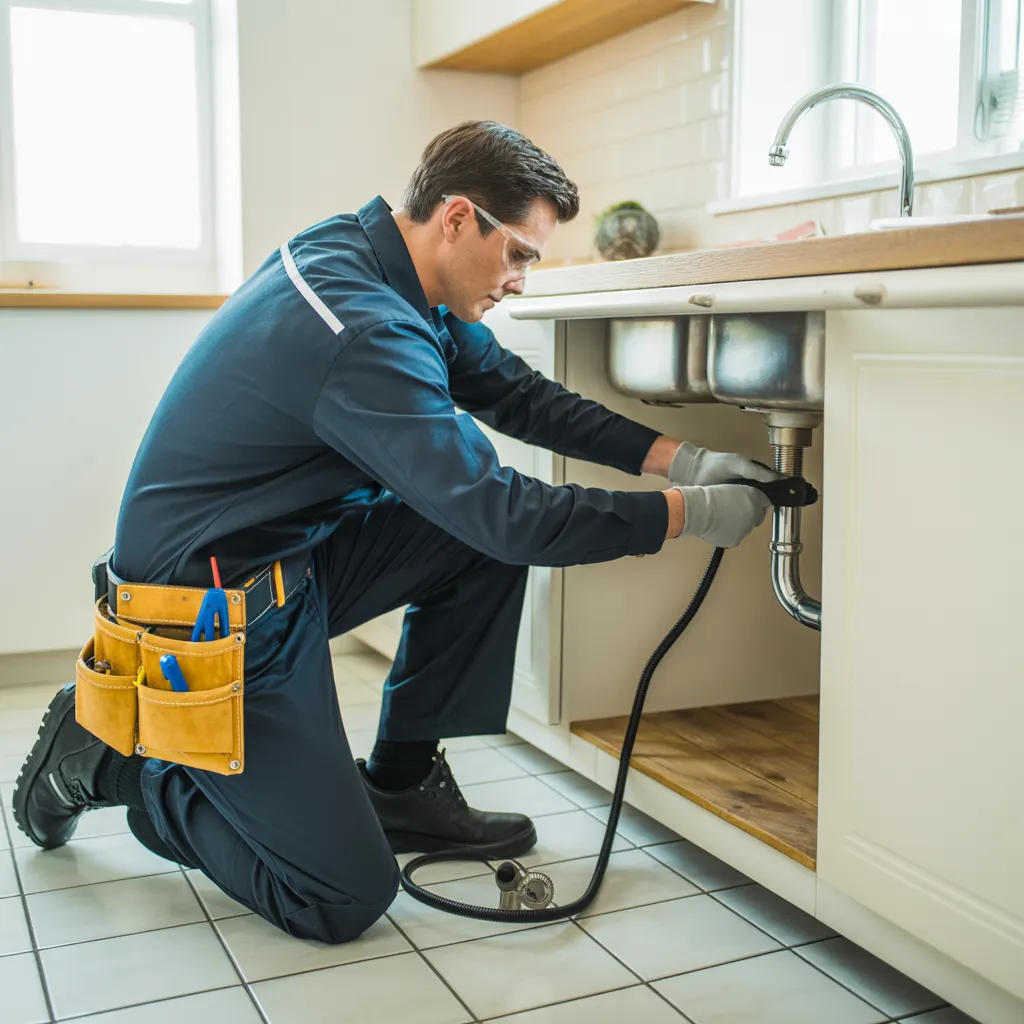
The Hidden Dangers of Poor Plumbing
Numerous homeowners overlook the concealed risks of inadequate plumbing systems, which can result in serious problems over time. Substandard pipe systems can lead to water leaks that silently damage walls, ceilings, and foundations. Over time, such leaks encourage mold growth, presenting serious health hazards to occupants and undermining the building's structural stability. Furthermore, substandard pipe components may degrade, releasing harmful contaminants into the water supply. This not only compromises the purity of household water but can also result in expensive restoration work.
Clogs caused by misguided maintenance can develop into more serious clogs, resulting in overflowing sewage and unsanitary conditions. Furthermore, deficient drainage infrastructure can trigger flooding, harming personal belongings and necessitating costly remediation. Many homeowners tend to overlook that disregarding plumbing care can lead to far-reaching repercussions, making early intervention essential. Understanding these hidden dangers emphasizes the value of professional plumbing maintenance, which can preserve a residence's condition and long-term value.
How to Recognize Plumbing Problems Before They Worsen
How can homeowners detect plumbing issues before they escalate? Regular observation of key indicators can help identify potential problems. Homeowners should be vigilant about unusual sounds, such as gurgling or hissing, which may signal trapped air or leaks. Moreover, sudden jumps in water bills could be a sign of undetected leaks.
Visual examinations are equally important; the presence of water stains on walls, ceilings, or floors can signal underlying plumbing concerns. Homeowners should check under sinks and around toilets for moisture or pooling water. Additionally, sluggish drains can indicate blockages or pipe degradation.
Taking note of bad odors can prove helpful as well, as they might suggest sewage problems. Finally, keeping an eye on inconsistent water pressure may signal deeper issues. Early detection makes possible swift action, helping homeowners avoid costly repairs and ensuring a healthier living environment.
Avoiding Serious Issues Through Routine Maintenance
Consistent maintenance is vital for homeowners seeking to prevent major plumbing issues before they arise. Regular inspections can detect tiny leaks, deterioration, or clogs that, if ignored, may escalate into costly repairs or system failures. Simple tasks, such as flushing water heaters and checking for signs of wear in pipes, can greatly extend the lifespan of plumbing systems.
Moreover, regular maintenance promotes proper water flow and proper drainage, so that home systems function efficiently. Homeowners are also advised to schedule periodic inspections, as temperature fluctuations could compromise overall plumbing performance.
Why Working with a Professional Plumber Is Important
While some homeowners may attempt DIY plumbing repairs to save money, hiring a professional plumber is crucial for guaranteeing the job is done correctly and safely. Licensed plumbers have the required skills and expertise to address a broad spectrum of plumbing problems, ranging from small leaks to intricate installations. Their expertise minimizes the risk of further damage, which can lead to costly repairs down the line.
Additionally, licensed plumbers possess specialized tools and techniques that most homeowners do not have. This empowers them to troubleshoot and solve issues efficiently, typically far more quickly than an inexperienced person could manage. In addition, employing a licensed plumber provides conformity with regional plumbing codes and rules, shielding the homeowner from legal risks.
In the end, investing in expert plumbing services not only enhances the reliability of a home's plumbing system but also promotes its overall safety and functionality.
What Quality Plumbing Services Cost
Comprehending the costs connected to reliable plumbing services is important for property owners preparing for upkeep or repairs. Factors influencing these costs include the difficulty of the project, the required materials, and the plumber's experience. Standard services, such as fixing minor leaks or unclogging drains, generally cost between $100 to $300. Nevertheless, more complex projects, like sewer line issues or pipe replacements, can reach $1,000 or more.
Additionally, emergency plumbing calls frequently carry premium charges owing to their urgent and after-hours demands. Homeowners should also consider potential costs associated with preventative maintenance, as this approach can lead to significant long-term savings by preventing costly breakdowns. Even though the most budget-friendly choice may appear attractive, prioritizing high-quality plumbing work ensures dependability, safety, and lasting performance, ultimately protecting the home's overall health. Recognizing these pricing factors empowers homeowners to make well-informed choices.
How to Select the Best Plumbing Service for Your Home
Selecting the right plumber for a home demands careful consideration beyond just cost. Property owners should focus on qualifications, ensuring the service is properly licensed and information insured to prevent liabilities. Reviews and testimonials provide insight into a company's reputation, demonstrating expertise and dependability. It is also essential to look into warranties on both services and parts; reputable plumbers support their work.
One other crucial factor is the range of services offered. A versatile plumbing service can handle emergencies, installations, and routine maintenance, providing a thorough solution. Moreover, openness in pricing and itemized estimates helps eliminate surprise charges. Finally, effective communication is essential; a plumber should be willing to explain issues and solutions clearly. By considering these factors, homeowners can make an informed choice that guarantees their plumbing needs are met efficiently and effectively, ultimately contributing to the overall health of their home.
Commonly Asked Questions
What Are the Typical Warning Signs of Plumbing Problems in Older Homes?
Typical indicators of plumbing problems in aging homes consist of blocked drains, persistent clogs, moisture stains on ceilings or walls, odd pipe noises, and irregular water pressure, all of which suggest possible leaks or degradation within the plumbing system.
How Can I Temporarily Fix a Plumbing Leak?
To address a plumbing leak on a temporary basis, one can use waterproof tape or a rubber patch secured with hose clamps. Making sure the area is completely dry prior to application improves results until a qualified professional is able to properly resolve the problem.
What Plumbing Tools Should Every Homeowner Have?
Each homeowner should possess essential plumbing tools, including a pipe-wrench tool, drain plunger, adjustable wrench, basin-specific wrench, and a plumber's tape. These tools enable efficient diagnosis and small-scale repairs, guaranteeing improved upkeep of residential plumbing systems.
Can DIY Plumbing Repairs Be Safe and Effective?
DIY plumbing repairs are capable of being safe and successful for minor issues, provided homeowners possess the proper tools and expertise. That said, more serious plumbing problems could cause significant financial setbacks, emphasizing the necessity for expert help for major plumbing repairs.
In What Ways Does Weather Impact Plumbing Systems?
Atmospheric conditions greatly affects plumbing systems; frigid temperatures can lead to burst pipes, while excessive heat may lead to increased evaporation and pressure. Heavy rain can overwhelm drain systems, leading to backups and potential water damage within homes.